
Introduction
When a visitor arrives on a website for the first time they form an impression in seconds. Before they read every page or check out every feature, visitors make a subconscious judgement about whether the website feels trustworthy. This first judgement is whether they stay, digging deeper, contacting the business or going to a competitor.
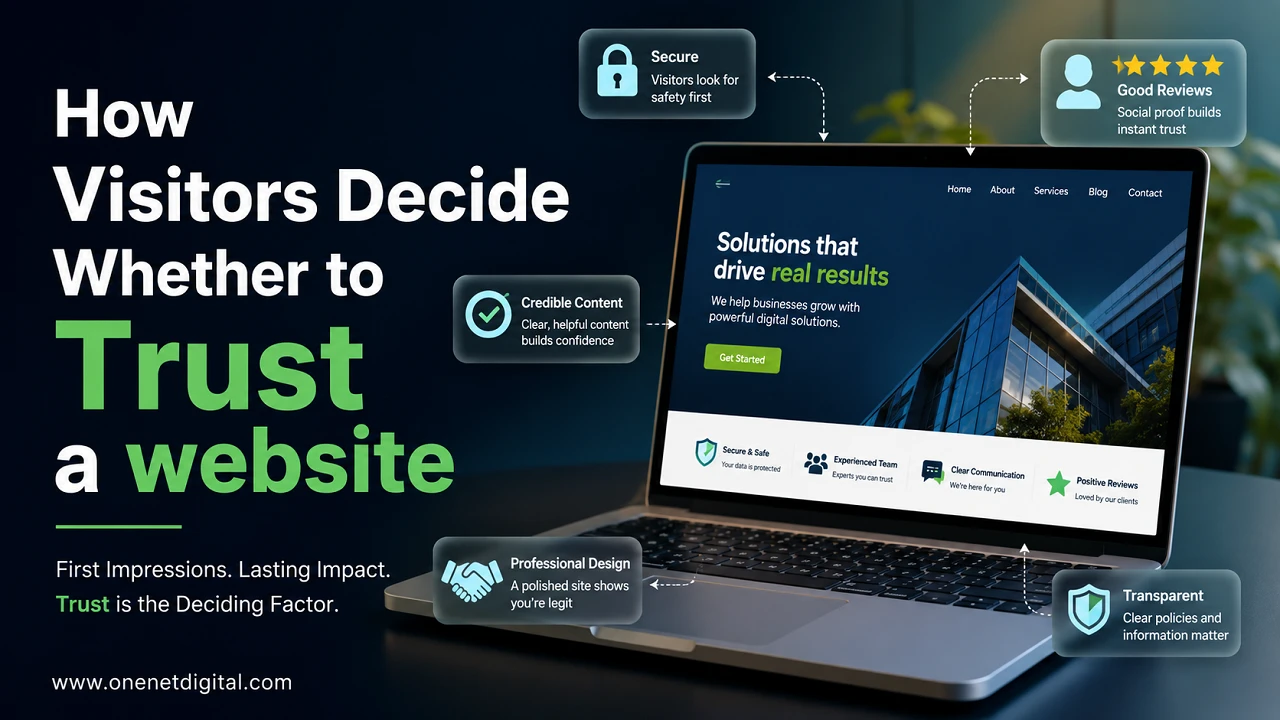
Trust in a website is the combination of design, content, security, usability and transparency. Even if you have great products or services, an outdated or confusing website can turn potential customers away.
This guide discusses the main drivers of website trust and how businesses can improve the overall user experience without employing aggressive marketing techniques.
Why Website Trust Matters
Trust is one of the most important factors in how visitors engage with a website. Whether someone is reading a blog, comparing services, shopping online or filling out a contact form, they want to feel confident that the website is trustworthy and secure. When a website looks unprofessional or fails to offer important information, a lot of visitors will leave before taking any action. Establishing confidence helps create a positive user experience and encourages people to spend more time exploring the site.
A reliable website can help increase visitor engagement, increase conversion rates, reduce bounce rates, promote repeat visits and help build long-term customer relationships. Trust is not built by one design element or feature. Instead, it’s built by a continued quality, transparency and a seamless browsing experience across each page.
First Impressions Happen Quickly
Visitors often form an opinion of a website within the first few seconds of arrival. Before they start reading the content in detail they notice the overall appearance, layout, colors, navigation and if the website looks modern and well maintained. These first impressions heavily influence the decision to keep browsing or to leave.
A clean design, readable fonts, professional images, balanced colors and organized sections create a positive first impression. Simple navigation and fast loading pages further enhance user satisfaction. When a site is polished and well-organized, visitors will naturally feel more comfortable spending time there exploring the content.
Professional Design Creates Confidence
Often, a website’s design is taken as an indication of the business behind it. A modern, well-organized website gives the impression of professionalism, while an outdated or cluttered design may make visitors question its credibility. Good design doesn’t mean putting in gratuitous animations or visual effects; it means making information easy to find and a pleasure to read.
Consistent branding, good spacing, readable typography, responsive layouts, and logical page organization helps visitors navigate the website without confusion. A consistent style and structure on every page make users more likely to trust the information.
Also Read: How to Stop Publishing Content That Adds No Value
Fast Loading Speed Improves Trust
The speed of a website has a direct impact on user satisfaction. Visitors expect pages to load quickly and even a slight delay can cause frustration. Slow websites can make it look like they are not being updated and users will leave before they see content.
Improving page loading speed can be achieved by optimizing images, minimizing redundant scripts, employing efficient coding techniques, enabling browser caching, and choosing a reputable hosting provider. Faster websites give visitors a more seamless browsing experience, which helps keep them engaged, and they help you perform better in search engines as well.
Mobile-Friendly Websites Build Better Experiences
With a large percentage of internet users browsing on smartphones and tablets, having a mobile-friendly website is no longer an option. Visitors expect websites to work on every screen size without zooming and scrolling horizontally all the time.
Responsive design ensures that every device displays the correct layout, so that text is easy to read, buttons are easy to tap and navigation is simple. Visitors feel more comfortable and are more confident in the website when they experience consistency across desktop, mobile, and tablet devices.
Clear Navigation Helps Visitors Feel Comfortable
The role of easy navigation is an important one in establishing confidence. Visitors will stay longer and look through the website if they can find the information they need quickly. Confusing menus or poorly organized pages are often a source of frustration and abandonment.
A good navigation system should be well structured, with clear menu labels, logical page categories, internal links to related content and visible contact information. Also, for large sites, a search feature can improve usability. Easy navigation leads to a smoother experience and makes your site appear more trustworthy.
High-Quality Content Builds Credibility
Content is one of the strongest signals of a trustworthy website. Visitors want useful information, accurate, organized well enough to get their questions answered without too much complication. High quality content shows expertise and helps users make informed choices.
Websites should not just promote, but educate. This means that they should have detailed service pages, blog articles, FAQs, buying guides, tutorials, industry insights and more. Writing in plain, clear language makes it easier to understand, and more valuable to readers.
Also Read: How to Decide When a Topic Deserves Its Own Page
Accurate and Transparent Information
Transparency makes visitors feel safer when interacting with a website. Where appropriate, information about services, business information, policies and pricing increases clarity, reduces uncertainty and helps users to make informed decisions.
Transparency is shown through information such as a business address, phone number, email address, working hours, Privacy Policy, Terms and Conditions, and return or refund policies. If it is easy for visitors to find important information, they are more likely to trust the website.
Secure Browsing Increases Confidence
Website security is also an important part of building trust, especially when visitors are providing personal information or conducting online transactions. The majority of users today expect websites to be using HTTPS encryption to protect the data exchanged between the visitor and the website.
Additional security measures, such as secure payment gateways, updated software, strong authentication methods, and regular maintenance, further build this confidence. Having a secure website is not only protecting user data but also creates a safer browsing experience.
Genuine Customer Reviews and Testimonials
Many visitors turn to customer reviews before they decide to trust a business. Genuine testimonials provide valuable insights into real customer experiences and help establish credibility. By providing genuine and fair positive feedback, potential customers can be put at ease.
Businesses need to push real reviews, not inflated statements. You build confidence with visitors and help create a transparent online presence by showing real experiences from customers.
Easy-to-Find Contact Information
Generally, visitors prefer to work with companies that have clear contact information. Confidence is there when you know there is an easy way to ask questions or request help, which makes the website seem more trustworthy.
Contact information should be easy to find on every page and can include a phone number, email address, contact form, physical location if applicable, and business hours. Having several channels of communication indicates that the business is open and transparent.
Consistent Branding Across the Website
Consistency creates familiarity and familiarity helps to build trust. When visitors see consistent logo, color scheme, typography, and messaging throughout the website, it reinforces a professional image and makes for a more enjoyable browsing experience.
When pages have inconsistent branding or very different designs it can confuse visitors and decrease confidence. Consistent visual identity throughout the website helps build recognition and credibility.
Also Read: How to Balance SEO and User Experience in Website Content
Regularly Updated Content Shows Activity
A functioning website reassures visitors that the business is still running and up-to-date with its online presence. Old blog posts, outdated information, dead links, or expired promotions may give visitors the impression the website has been abandoned.
Adding new content, updating service information, refreshing images, reviewing contact details and fixing broken links on a regular basis helps keep the website accurate and relevant. These updates will improve user satisfaction and increase visibility in search engines.
Avoiding Common Trust-Breaking Mistakes
Even the best designed website can lose the trust of the visitors if it has avoidable problems. Some of the problems that can quickly create a negative impression include excessive pop-ups, misleading headlines, broken links, grammar mistakes, poor quality images, slow loading pages or hidden contact information.
Often website maintenance discovers these problems and resolves them before they affect user satisfaction. A clean, professional and user focused website naturally invites visitors to stay longer and browse more pages.
The Role of User Experience in Building Trust
It is everything a visitor experiences while on a website, from the time the website loads to the time they leave. Fast performance, clear navigation, useful content, responsive design and accessibility of information all contribute to a good experience. When users can easily fulfil their goals, they are more likely to trust the website and come back in the future.
The key to a successful website is simplicity, ease of use and real value, not gimmicks or over-the-top marketing messages. Any website that is smooth and helpful all the time will naturally gain the trust of its visitors with time.
Conclusion
It’s not one thing that makes people pick a website, but a bunch of small things. Clean design, fast loading speed, mobile responsiveness, useful content, transparent business information, secure browsing and easy navigation all make a positive first impression.
Building trust takes time, but maintaining a professional, informative, and user-focused website can significantly improve the overall experience. By focusing on quality, transparency, and usability, businesses can create websites that visitors feel comfortable exploring and returning to over time.
FAQs
1. Why is website trust important?
Website trust is important because it influences whether visitors stay on your site, explore your content, contact your business, or complete a purchase. A trustworthy website creates confidence and improves the overall user experience.
2. How quickly do visitors form an opinion about a website?
Most visitors form their first impression within a few seconds. Factors such as design, page speed, navigation, and visual appearance play a major role in shaping that initial opinion.
3. What makes a website look trustworthy?
A trustworthy website typically has a clean design, fast loading speed, easy navigation, mobile-friendly pages, accurate content, secure browsing (HTTPS), and clear contact information.
4. Does website design affect visitor trust?
Yes. A professional, well-organized design helps create a positive first impression, while an outdated or cluttered layout may reduce visitor confidence.
5. Why is website speed important for building trust?
Fast-loading websites provide a better browsing experience and reduce frustration. Slow pages can make visitors question the reliability and quality of the website.