
Introduction
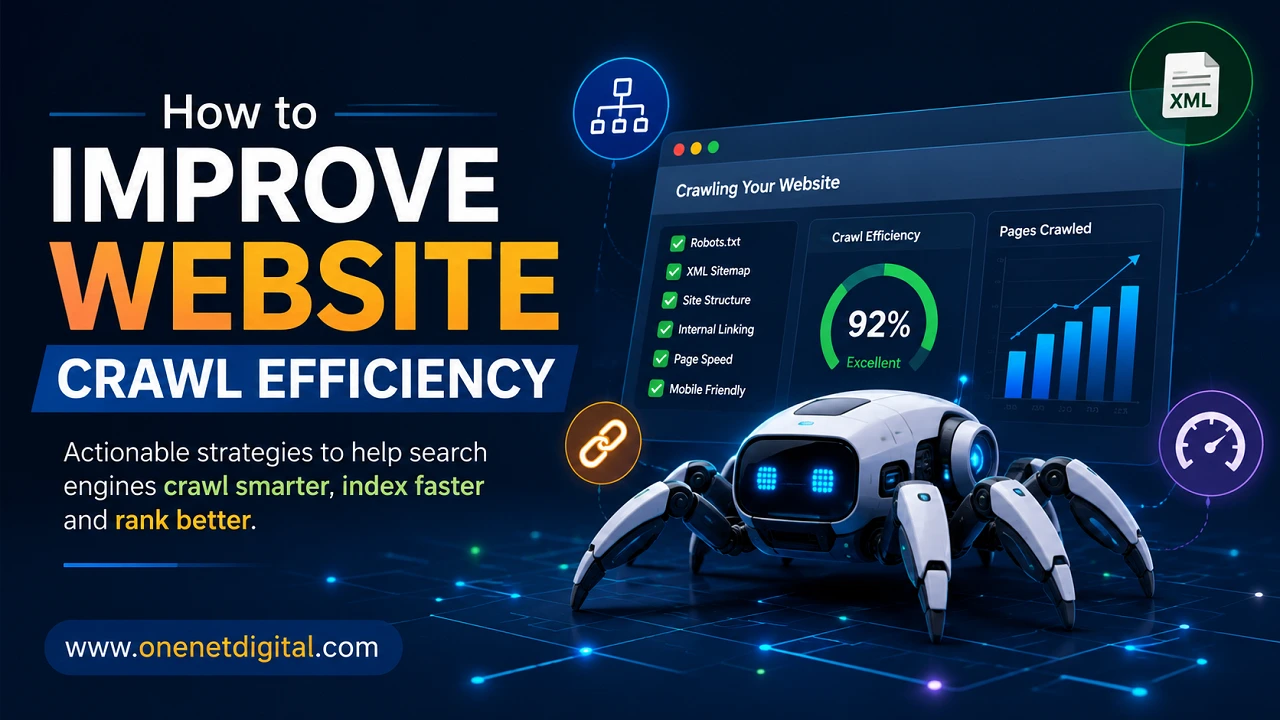
All website owners want to see their pages appear in search results as quickly as possible. Search engines need to crawl a page and understand what it is about before it shows up in search results. They do this with the help of bots, which follow links from one page to another. If your website is slow or has too many errors or is not well organized these bots may not find all of your important pages. That means it can take longer for some pages to show up in search results. The good news is, you don’t have to make hard changes to improve this. There are a few simple steps you can take to make it easier for search engines to crawl your website. At the same time, these improvements make your website better for visitors and this is always good for SEO in the long run.
Keep the Structure of Your Website Simple
A simple structure for your website helps both visitors and search engines. All-important pages should be easy to find without going through too many pages. Organize similar pages in the right categories and keep your menu simple. Don’t hide important pages deep within your website. When everything is just placed, it becomes easier for search engine bots to crawl. They also understand how your pages link together and can find new content much faster. A clean structure will also make your site look more professional and user friendly.
Use Internal Links Right
Internal links are links that connect one page of your site to another page of your site. These links help the search engine bots to crawl through your website without any trouble. They also help visitors to locate helpful information. Make sure that each key page is linked from other relevant pages. This tells search engines that the page is useful. However, don’t put too many links on one page because it can make the content look cluttered. Make sure your links are natural and only link to relevant pages. Good internal linking system helps both users and search engines.
Also Read: How to Optimize Category Pages for SEO | One Net Digital
Fix Broken Links and Resolve Issues
Broken links can make for a bad visitor experience. They also waste the time of search engine bots as they lead to non-existent pages. If a page has been deleted, redirect visitors to another similar page. Periodically check your website for pages that have errors and fix them as soon as you can. By keeping your website free of broken links you let the search engines spend their time on the useful pages rather than the ones that no longer work. It also makes your website look more reliable.
Update Your XML Sitemap Frequently
An XML sitemap is a file that tells search engines about the important pages on your site. Think of it as a guide that helps bots find your content more quickly. Update your sitemap every time you publish a new page or delete an old one. This makes it easy for search engines to know about the latest changes. If you have a lot of pages on your website, a sitemap becomes more important as it helps bots discover content that they might not find through links alone. Keeping your sitemap updated is a simple, yet useful, SEO practice.
Make Your Website Faster
Nobody wants a slow site. Visitors will often leave if a page takes too long to load. Also, there is a limited time when the search engine bots visit your website. If your pages take a while to load, bots may not crawl all your content. You can make your website faster by shrinking your images, deleting unnecessary files, and choosing a quality host. It’s also a good idea to regularly test your website speed so you know if there are any problems. A faster website improves the user experience and gives search engines more time to crawl your pages.
Also Read: How to Use Heading Tags Correctly | One Net Digital
Post New & Good Content
Good content is one of the main reasons search engines keep coming back to the site. Provide helpful information on every page that will answer questions your readers have. Search engines prefer original content, so don’t copy anything from other websites. And when new information comes in you need to update older articles as well. Having fresh content indicates that your website is active and well maintained. Don’t write a lot of pages about one thing. Create valuable content on different topics. This helps search engines understand that your website is providing value to users.
Avoid Duplicate Contents
Duplicate content refers to identical or very similar content that appears on different pages. This can confuse search engines because they may not know which page to show in search results. The page shows a single main version of a page wherever possible. Use the right SEO settings for similar pages to show which is the original page. A tidy website with less duplicate pages means search engines have more time to find useful information instead of checking the same content over and over again.
Checking Technical SEO Settings
Technical SEO is important because it helps ensure that search engines can read your website correctly. Avoid accidentally blocking important pages. Regularly check your robots.txt file and other website settings. Each page should also have a clear headline and description so search engines know what it is about. Sometimes small technical problems can be causing pages not to be found so it is a good idea to review these settings every couple of months. Regularly updating things makes it easier for your website visitors to understand.
Also Read: How to Optimize URL Structure for SEO | One Net Digital
Keep Watching Your Website
You don’t do SEO once. You should be regularly testing your website to ensure that all is functioning properly. Use SEO tools to find crawl errors, broken links and indexing problems. These tools can also spot pages that are performing well and pages that need work. Catching small problems early prevents bigger problems later. Regular monitoring will also let you know how search engines are interacting with your website and whether your recent updates are helping.
Keep Improving Your Website
A good website is always getting better. As your website grows, keep adding useful content, updating old pages and removing information that’s no longer helpful. Keep your website fast, user-friendly and free of technical issues. Review your internal links periodically, update your sitemap and check your SEO settings. These small improvements may seem simple , but they all add up to help search engines better understand your website. Over time this can improve your search visibility and bring more visitors to your website.
Conclusion
Making your website more crawlable by search engines doesn’t have to be hard. A simple website structure, good internal links, fast loading pages, helpful content and regular maintenance can make a big difference. If search engines are able to find and understand your pages without issues, your website will have a better chance of appearing in search results. Keep improving your website little by little and you will build a stronger SEO foundation that will benefit both search engines and your visitors.
Frequently Asked Questions
1. Why do search engines crawl websites?
Search engines crawl websites to gather information about pages and determine which pages should be displayed in search results.
2. How often should you update your XML sitemap?
Update your sitemap whenever you add new pages, delete old pages or make important changes to your website.
3. Does a slow site hurt SEO?
Yes, A slow website can mean fewer pages crawled by search engines and can also mean a poor user experience.
4. What makes internal links crucial?
Internal links help search engines discover more pages and aid visitors in navigating your website.
5. Should I do regular checks on my website?
Yes. By doing frequent audits, you can find and fix problems before they affect the SEO and search performance of your website.