
Introduction
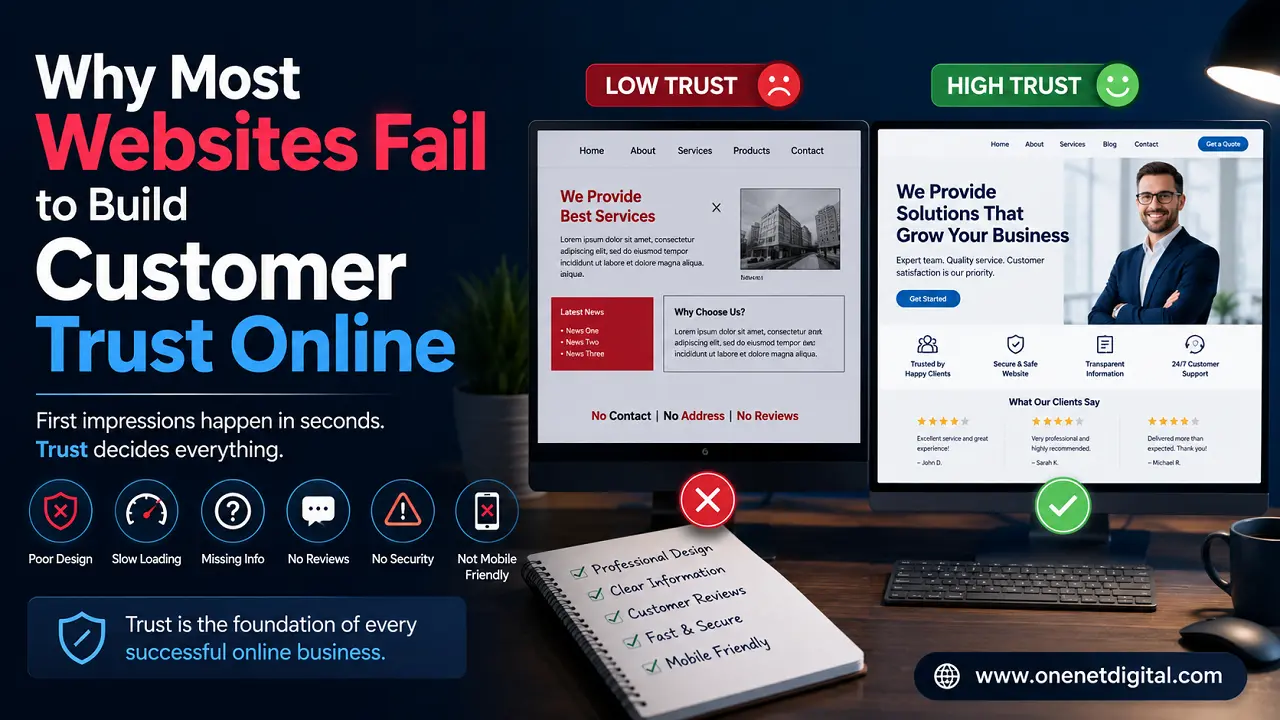
In 2026, customer trust has become one of the biggest factors behind online business success. People no longer make decisions only based on advertisements or pricing. Before contacting a business, most users first visit the website to judge whether the company looks genuine, professional, and trustworthy.
A website may look attractive visually, but that does not automatically mean visitors will trust it. Many businesses lose potential customers because their websites fail to create confidence. Visitors often leave within seconds if something feels confusing, outdated, unprofessional, or unreliable.
Trust is extremely important online because customers cannot physically meet the business owner. The website itself becomes the first impression of the company. Search engines like Google also focus heavily on user experience and trustworthy content while ranking websites.
The good news is that most trust-related problems can be improved without rebuilding the entire website. In this article, we will understand why many websites fail to build customer trust online and how businesses can improve credibility in 2026.
Poor Website Design Creates a Bad First Impression
First impressions happen very quickly online. When visitors open a website, they immediately judge whether the business looks professional or not. If the design appears outdated, cluttered, or poorly organized, users may leave before even reading the content.
Many websites fail because they use:
- Too many colors
- Poor spacing
- Confusing layouts
- Unreadable fonts
- Excessive animations
A clean and modern design usually creates a much stronger impression. Trust often begins with simplicity and clarity. Visitors feel more comfortable when websites look organized, professional, and easy to navigate.
Also Read: Why Businesses Need Evergreen Content for Long-Term Traffic
Slow Websites Reduce Customer Confidence
Website speed directly affects user trust. When pages take too long to load, visitors often assume the business is unprofessional or poorly managed. In today’s fast digital world, people expect websites to load quickly on both desktop and mobile devices. Slow websites create frustration and increase bounce rates.
Many businesses focus heavily on design but ignore technical performance. Problems like:
- Heavy images
- Poor hosting
- Too many plugins
- Unoptimized code
It can reduce website speed significantly. Fast websites create smoother experiences and help businesses appear more reliable.
Lack of Clear Business Information Hurts Trust
One common reason websites fail to build trust is missing business information.
Visitors want to know:
- Who the company is
- What services they offer
- How they can be contacted
- Where the business is located
Many websites hide contact details or provide very little information about the company. This creates doubt in visitors’ minds.
A trustworthy website should clearly display:
- Contact number
- Email address
- Business address
- About Us section
Simple transparency can improve customer confidence greatly.
Also Read: How to Optimize Website Navigation for Better User Experience
Poor Content Makes Websites Look Unprofessional
Content quality plays a major role in trust building.
Many websites publish content that feels:
- Overly promotional
- Poorly written
- Difficult to understand
- Full of grammar mistakes
Visitors usually trust websites that provide clear, useful, and natural information. Good content should focus on helping users instead of only selling services aggressively. Short paragraphs, simple language, and useful explanations create a much more trustworthy experience. Helpful content also improves SEO performance naturally.
Mobile Experience Is Often Ignored
Most users now browse websites through smartphones. If a website works poorly on mobile devices, users quickly lose confidence.
Common mobile issues include:
- Broken layouts
- Small text
- Slow loading
- Hard-to-click buttons
A poor mobile experience makes businesses appear outdated. In 2026, mobile optimization is no longer optional. Websites that work smoothly on smartphones create stronger trust and better engagement. Businesses should regularly test their websites on different mobile devices.
Missing Customer Reviews Reduce Credibility
Customer reviews are one of the strongest trust signals online. People trust real customer experiences more than advertisements.
Many websites fail to display:
- Testimonials
- Customer feedback
- Reviews
- Success stories
Without reviews, visitors may feel unsure about the business. Positive customer experiences help reduce hesitation and improve credibility. Even a few genuine testimonials can improve trust significantly.
Also Read: Why Businesses Lose Customers Due to Poor Website UX
Too Many Popups and Ads Create Distrust
Some websites overload visitors with popups, banners, autoplay videos, and aggressive advertisements. Instead of improving engagement, these things often create frustration. Visitors may feel the website is spammy or overly sales-focused.
Clean and user-friendly websites usually create much better trust. Businesses should focus on helping visitors rather than constantly interrupting them with distractions. Simple browsing experiences often perform much better.
Weak Branding Confuses Visitors
Strong branding helps businesses look professional and memorable.
Many websites use inconsistent:
- Colors
- Fonts
- Design styles
- Content tone
This creates confusion and reduces trust. Consistent branding makes websites appear more organized and professional. When users see a clear and polished brand identity, they feel more confident about the business. Trust grows when websites look stable and professionally maintained.
Lack of HTTPS Security Scares Users
Website security is extremely important in 2026. Websites without HTTPS security may show warnings in browsers, which immediately reduces customer trust. People are more careful about online privacy and data protection now.
Secure websites help visitors feel safer while browsing or submitting information. HTTPS also helps SEO because search engines prefer secure websites. Security is now both a trust factor and a ranking factor.
Outdated Websites Reduce Credibility
An outdated website can create a negative impression even if the business itself is good. Old designs, broken pages, outdated information, and inactive blogs make businesses appear less reliable.
Visitors often assume:
- The company is inactive
- Services are outdated
- Customer support may be poor
Regular updates help websites look active and trustworthy. Businesses should keep content, images, and website information updated consistently.
Poor Navigation Frustrates Users
Visitors should easily find important pages on the website. Confusing menus and poor navigation reduce user confidence quickly.
People do not want to waste time searching for:
- Services
- Contact information
- Pricing details
- Important pages
Simple navigation improves user experience and trust. Websites should guide users naturally without creating confusion.
Also Read: Why Your Website Loads Fast on Desktop but Slow on Mobile
Trust Is Closely Connected to User Experience
Customer trust is not built through one single thing. It comes from the complete website experience.
Visitors trust websites that feel:
- Fast
- Helpful
- Professional
- Easy to use
- Secure
Good user experience creates comfort and confidence naturally. Businesses that focus on improving usability often see better engagement and conversions. Trust and user experience now work together closely.
Why Trust Matters for SEO and Conversions
Customer trust affects much more than brand image. Websites with stronger trust signals often experience:
- Better engagement
- Higher conversions
- Lower bounce rates
- Improved SEO performance
When users stay longer and interact more, search engines see the website as valuable and trustworthy. Trust directly impacts online growth. Businesses that improve credibility usually generate better long-term results.
Conclusion
Many websites fail to build customer trust because they focus only on appearance while ignoring user experience, transparency, speed, and content quality. In 2026, users expect websites to feel professional, secure, fast, and genuinely helpful.
Simple improvements like better readability, stronger mobile optimization, clear contact details, customer reviews, and faster performance can improve trust significantly. Businesses do not always need expensive redesigns to build credibility online.
Sometimes small improvements in user experience and transparency create the biggest impact. A trustworthy website not only improves customer confidence but also helps businesses grow faster online.
FAQs
1. Why is customer trust important for websites?
Customer trust helps businesses improve conversions, engagement, and long-term customer relationships.
2. What makes a website look untrustworthy?
Slow speed, poor design, missing contact information, weak content, and lack of security often reduce trust.
3. Do customer reviews help website trust?
Yes, genuine reviews and testimonials improve credibility and customer confidence significantly.
4. Why is website speed important for trust?
Fast websites create better user experiences and make businesses appear more professional.
5. Does mobile optimization affect customer trust?
Yes, poor mobile experiences can frustrate users and reduce confidence in the business.