
Introduction
Every site owner wants to see their pages in Google search results. But before a page can rank, it needs to be discovered by Google. The process of discovery is called crawling. Most people hear about crawling, indexing, and ranking, but they usually confuse these terms. If you understand how crawling works, you can build a site that is easier for search engines to find and understand.
Google searches through the websites on the internet using computer programs called crawlers. These crawlers follow links from page to page and collect information about the content they find. That information is then used to decide whether a page is placed in Google’s search index. Website owners cannot control all aspects of this process, but they can help Google crawl their sites more effectively.
What is the Google Crawling Process?
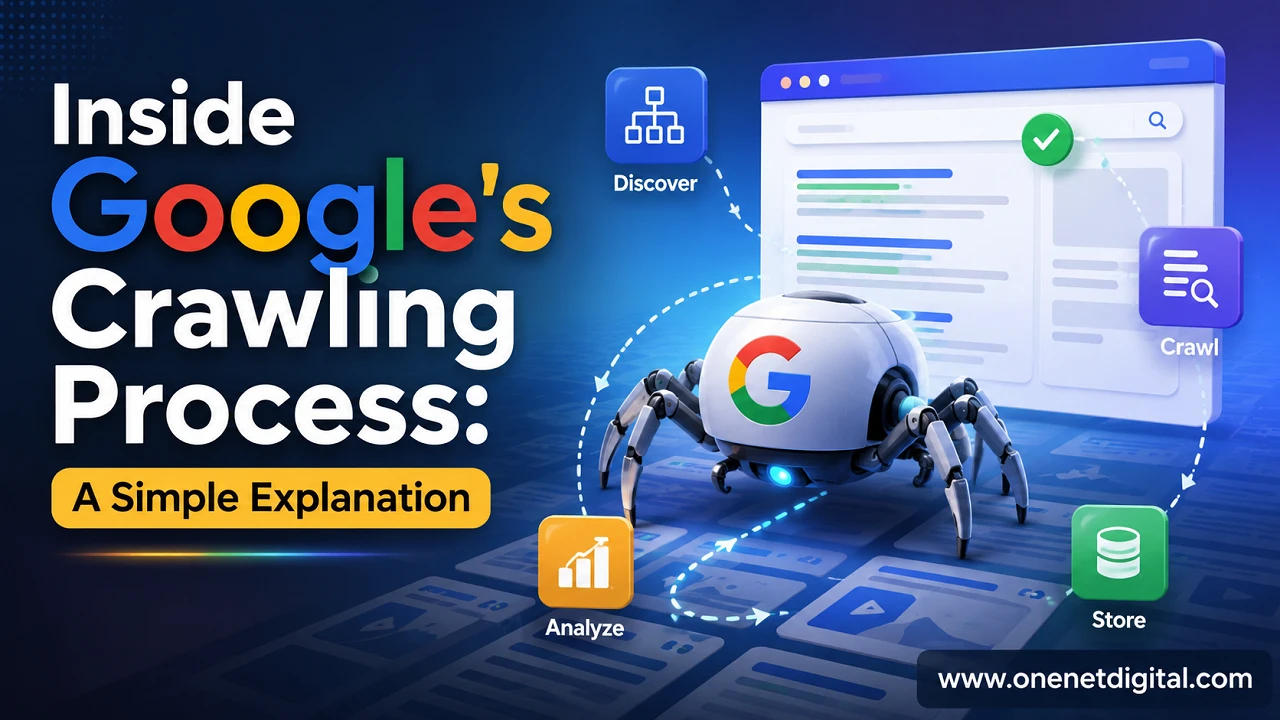
Google’s crawling process is how Google finds new and updated pages on the web. Googlebot is the web crawler that Google uses to visit websites and read their content. The crawler reads text, images, links and other important elements to try to understand what each page is about.
Instead of crawling each site simultaneously, Googlebot crawls from link to link, and periodically crawls sites to look for new or updated content. How often we crawl depends on many factors, such as the popularity of the site, how often the content changes, and the general health of the site.
How Google Discovers New Pages
Google finds pages in a few different ways. The most common way is via links. When a website links to another website, Googlebot can follow the link and discover new content. Internal links on your own website also help Google to navigate from one page to another.
Another very important method is XML sitemaps. Think of a sitemap as a map that tells google what pages you have on your website. Submitting a sitemap doesn’t mean your pages will be crawled right away, but it helps Google get a better handle on the structure of your site quickly. Google can also discover pages from previous crawls or by observing changes to existing web pages.
Also Read: Everything You Need to Know About Keyword Cannibalization
What Happens During Crawling?
When Googlebot crawls a page, it begins to gather information. It reads the content of the page, looks at headings, checks images, follows links and understands the overall structure of the page. It also tests technical factors like page speed, mobile usability and whether the page loads without errors.
Googlebot does not just store the page as it appears. It processes the information to understand the topic, how pages relate to each other, and the overall quality of the content. This collected information is used later in the indexing process.
Crawling and Indexing Are Not the Same Thing
Many people confuse crawling with indexing, but these are two different steps. Crawling is the discovery stage. Googlebot visits a page and collects information about it.
Crawling is followed by indexing. When it crawls, Google determines if it should cache the page in its search index. If a page is indexed, it can potentially appear in search results. But being indexed does not guarantee a high rank. Many other factors, like relevance, content quality, user experience, and competition, affect the ranking.
Factors that Influencing Crawling
There are a number of factors that affect how efficient Google is at crawling a website. A well-structured website structure with clear navigation assists Googlebot to crawl from one page to another. Strong internal linking also helps the crawler find important content.
Fast loading pages are good for crawling because Googlebot can crawl more pages in less time. Broken links, server errors and unwanted redirect chains can slow the process. Duplicate content can also lower crawling efficiency as Google is wasting time reviewing pages with little unique value. A website that is technically healthy helps in better crawling in the long run.
Also Read: Beginner’s Guide to Keyword Mapping | One Net Digital
How Website Wwners Can Make Google Crawl Better
Website owners can take a few simple steps to improve crawling. An updated XML sitemap helps Google find important pages more easily. By adding useful internal links you connect related content and guide Googlebot through the website.
Publishing original, high-quality content regularly also encourages Google to return to the website. Better environment for users and search engines alike is ensured by fixing broken pages, improving page speed and making sure mobile compatibility. Regular technical audits can help identify problems before they impact crawling performance.
Common Problems with Crawling
Sometimes Googlebot can’t succeed in getting to every page. Robots.txt, incorrect no index tags, server issues or login requirements could block crawling. Pages with very few internal links may also stay undiscovered for extended periods of time.
Another common issue is orphaned pages. These pages exist on the website but are not linked to from other pages. Google mainly navigates by following links, so it’s a lot harder to find orphan pages. Duplicate URLs, endless filter combinations, and poor site architecture can also waste Google’s crawl resources and make crawling less efficient.
Why Crawling is Important for SEO
Crawling is the first step in the whole SEO process. If google can’t find the page, it can’t index the page. If it is not indexed it won’t show up in search results. This makes crawling an important part of the visibility of a website.
If a website is crawlable, Google can quickly understand the content. Better crawling is achieved through good site organization, useful content and proper technical maintenance. Great content is still important, but being able to get that content in front of search engines is just as valuable for long-term SEO success.
Also Read: Why Search Engines Need Context, Not Just Keywords
Summary
Understanding Google’s crawling process can help website owners make better SEO decisions. Crawling is the process Google uses to find and review web pages before deciding to include them in its search index. Website owners have no control over when Googlebot will visit their pages, but they can smooth the process by keeping their website well-structured.
Regular updates, internal linking, fast page speed, and high-quality content all support better crawling. By focusing on these basics, you increase the chances that your important pages will be found, indexed and ultimately appear in search results.
Frequently Asked Questions
1. What is Google’s crawling process?
Google discovers web pages by sending Googlebot to crawl sites and gather information about the content of the site. This is called Google’s crawling process.
2. How often does Google crawl a website?
There is no set timetable. Some sites are crawled multiple times per day, some less frequently, depending on how often they change, how popular they are, and how technically healthy they are.
3. Does crawling guarantee indexing?
No. Crawling just means Google has visited the page. Google still decides if the page should be indexed based on its quality and usefulness.
4. Can I ask Google to crawl my website?
Yes. You can also submit an XML sitemap and request Google Search Console to index important pages that can lead Google to crawl those pages sooner.
5. What are the most common crawling issues?
Typical issues are broken links, blocked pages, server errors, bad internal linking, orphan pages, duplicate content and slow website performance.
6. Why is Crawling Important in SEO?
Crawling is the first step before indexing and ranking. If Google cannot crawl a page, it cannot appear in search results, making crawling essential for organic visibility.