
Introduction
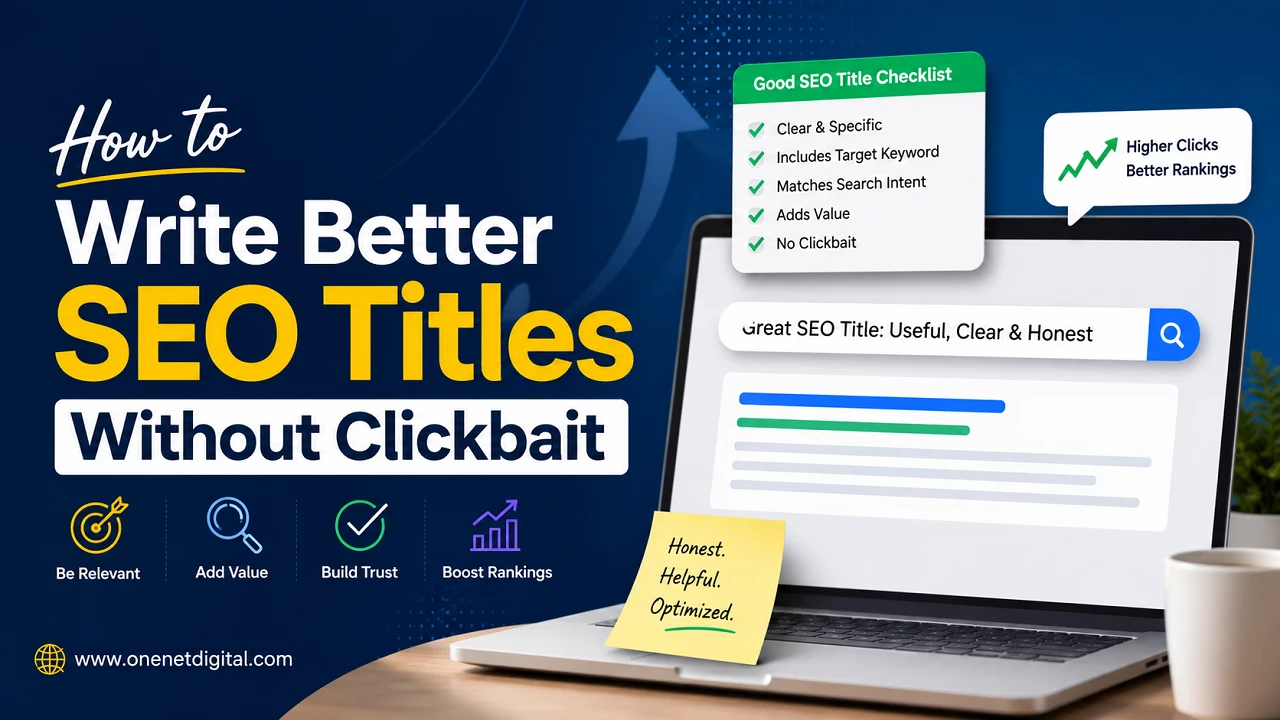
One of the first things people notice when they see your webpage in the search results is the SEO title. It tells search engines and users what the page is about. A great title can bring more visitors to your site, improve click-through rates, and set the right expectations before someone even visits your website.
A lot of website owners try to increase clicks with misleading and bold titles. This technique might get attention for a little while, but it usually fails to satisfy the reader because the content doesn’t live up to the promise. The answer to the long term is to come up with titles that are honest, informative and engaging. If users trust your website, they will be more likely to come back and recommend your content to others.
Understand Why SEO Title Is Used
An SEO title has two important purposes. This helps search engines understand what your page is about, and it attracts users to click your result. A good title should give a clear description of the content, but not give away too much or make unrealistic promises.
In reality, readers usually read through several results before deciding. If your title is relevant, easy to understand and matches closely with their search, they are more likely to pick your page. The aim is to generate curiosity by way of value, not misleading statements.
Pay Attention to Clarity, Not Sensation
A frequent mistake is to try to think of titles that sound shocking or unbelievable. Titles like “You Won’t Believe This Secret” or “This Trick Changes Everything” might grab attention but often don’t provide useful information.
The point is to write titles that tell users exactly what they’ll learn. Clear titles inspire confidence because the reader knows what to expect. A simple title may not get as many accidental clicks, but it will attract visitors who are genuinely interested in the subject. These visitors are more likely to stay on the page, read the content, and interact with your website.
Simple language makes titles easier to understand. Stay clear of complex words when a more straightforward term conveys the same idea.
Also Read: How to Write More Effective Meta Descriptions to Increase Clicks
Add Keywords Naturally
Keywords are still a big part of SEO titles because they help search engines figure out what your content is about. They also help people know that your page is relevant to what they’re looking for.
However, the keywords should fit in with the rest of the title naturally. Do not use the same phrase over and over or force keywords into places they don’t belong. An awkward title looks unprofessional and may decrease trust.
Pick a main keyword that best describes your page and build a title around it. But the title should also sound natural and make the topic obvious. A good balance makes the content easier to read and helps to improve user satisfaction.
Keep Titles Short and Readable
Long titles are difficult to read and may be cut off in search engine results. Although there is no set character limit that works in all situations, shorter titles are generally easier for users to scan quickly.
Lead with the most important information and cut out words that don’t add value. Every word should be purposeful. Short and punchy titles are often more memorable and make it easier for readers to understand what your page offers.
A title that flows well will generally give a better first impression and encourage more users to click.
Match the Title to the Content
The most successful SEO titles are those that correctly represent the information on the page. If users click on a title and get the answers they want quickly, they will trust your website more and be more likely to explore other pages.
Don’t promise anything your content can’t deliver. If a title promises full guidance, the article must actually provide detailed and useful information. Misleading titles can also lead to high bounce rates, as visitors quickly leave once, they discover the content doesn’t match their expectations.
Consistency between the title and the page also strengthens your website’s credibility. Honest communication will build long-term relationships with readers. Not just traffic in the short term.
Also Read: How To Discover Hidden Keyword Opportunities Inside Search Results
Enhance Titles with Frequent Testing
Writing good SEO titles is an ongoing process. Even seasoned content creators’ experiment with various title styles to see what draws readers in without being misleading. By analyzing your website’s performance, you will be able to see which titles are getting more clicks and which ones need work.
Sometimes a little tweak, like substituting one word, clarifying or stressing a greater benefit, may result in better results. But then again, don’t change titles too often without a good reason. Make more changes, but allow search engines and users enough time to react.
It’s also helpful to look at successful titles in your industry. You don’t have to repeat them, but you can learn how they present information clearly, honestly and attract attention. Understanding successful writing patterns can help you create stronger, more original SEO titles for your own website.
Summary
The trick to creating good SEO titles is getting the right balance between grabbing attention and maintaining trust. A relevant, clear and honest title helps users understand your content before they click on it. This leads to a better experience and stronger engagement.
Instead of relying on clickbait, write titles that accurately describe your page, naturally include keywords, and show that you have something to offer. Over time this will build credibility and encourage people to come back and help with long term SEO success. Well-done titles may seem simple but they can have a big impact in getting quality content in front of the right people. Regular practice and careful review will help you always come up with titles that work and keep the trust of users and search engines.
Also Read: How to Create Supporting Content Around a Main Topic
FAQs
1. What is an SEO Title?
An SEO title is the headline that you can click on in search engine results. It tells users and search engines what the webpage is about and attracts people to the page.
2. Why should I not use clickbait titles?
Clickbait titles may attract clicks, but can also result in disappointment if the content is not as exciting as the title. This reduces trust, leads to higher bounce rates, and negatively affects user satisfaction.
3. What is the length of an SEO title?
Most SEO titles are best when they are straightforward and about 50 to 60 characters long, but the optimal length may differ depending on the search results.
4. Should I put keywords in each SEO title?
Yes, using your primary keyword naturally helps search engines understand what your content is about, while assisting users to see relevant search results.
5. Can you change the SEO titles after the page has been published?
Yes, SEO titles can be changed as often as you want to make them clearer, more relevant or more engaging, provided they still accurately represent the page content.