
Introduction
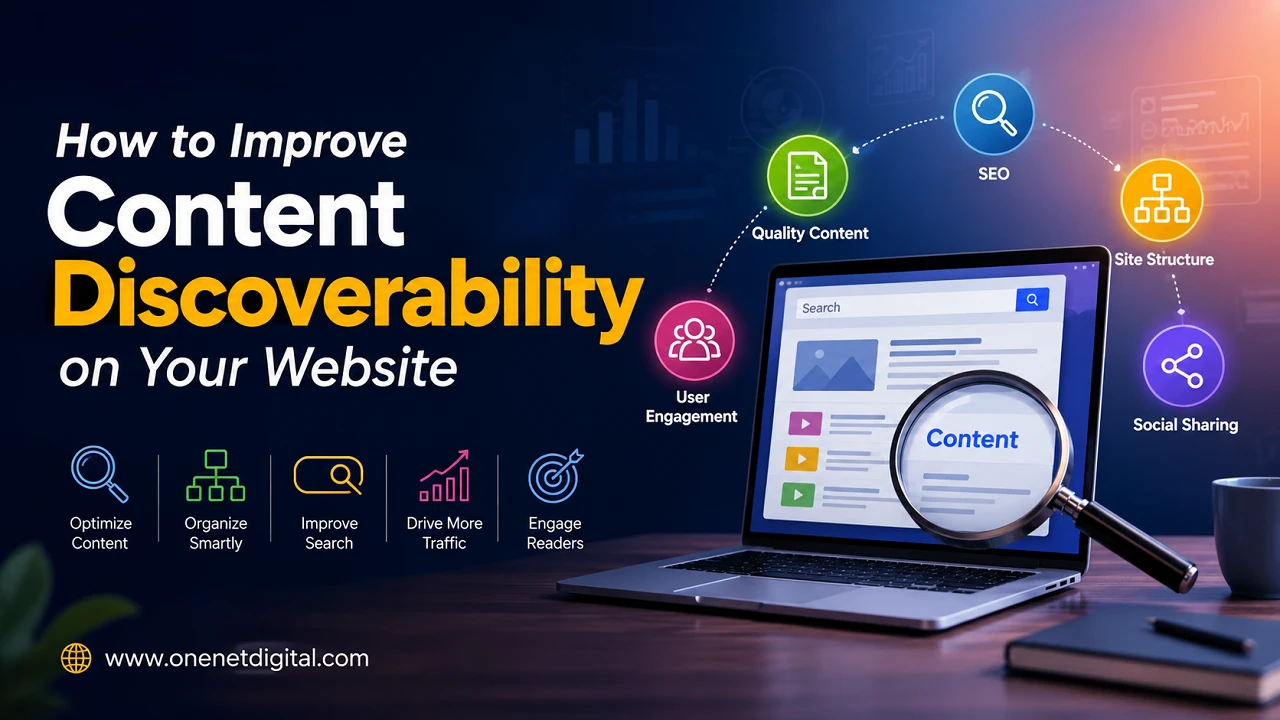
Making your website content easy to discover is just as important as creating high-quality articles. Even the most useful content may not reach the right audience if it is difficult to find using search engines or website navigation. With the right content practices, a better website structure, and knowing what your audience is looking for, you can increase your visibility and attract more visitors over time. Simple improvements like organizing your pages, using clear headings, updating older content and making your website easy to navigate will help your readers find valuable information more quickly. These small efforts can enhance user experience and help in steady growth of the website over a long period of time.
Know What Your Audience Is Looking For
The key to content discoverability is understanding what your audience wants to read. Before you create any page or article, take time to understand the topics, questions and search terms your visitors are interested in. When your content meets the real needs of users, search engines are more likely to show it in relevant search results. By writing with your audience in mind, you also increase engagement. Readers find the information useful and stay on your website longer.
Write Content That is Clear and Relevant
Each page must have a definite purpose and provide useful information. Don’t just write for the search engines, don’t fill your pages with words you don’t need. Write in a simple language and explain the topics in a clear way so that readers can easily understand. The well-organized content with short paragraphs and meaningful information encourages the visitors to keep on reading and helps the search engines to understand what the page is about.
Also Read: How to Prepare Website Content Before You Begin Writing
Write Working Titles & Descriptions
Your page’s title and description help people find your content. A good headline lets readers know what they are getting before they click. Page description should briefly tell what main topic is and encourage users to visit your website. Accurate titles and descriptions make it easier for search engines to show your pages in search results and can increase visibility.
Improve Your Website Structure
A well-organized website makes it easier for visitors and search engines to find information. Group similar topics together and create logical categories so users can navigate from one page to another without confusion. A simple navigation menu, clear page hierarchy and easy-to-follow layout improve the overall browsing experience and increase the chances of your content being discovered. When visitors can find what they need without too many clicks or confusion, they are more likely to spend more time and browse more pages.
Use Internal Links Properly
Internal links are links that connect related pages on your website and help your readers find out more information. Visitors spend more time moving between pages and naturally discover more of what you have to offer. Internal links also help search engines understand how different pages are connected, which makes it easier for them to crawl and index your website. Add links where they add value and you’ll create a better experience for all.
Also Read: Why Every Business Needs a Reliable and Strong Online Reputation in 2026
Keep Your Content Update
It’s important to regularly revisit and refresh existing content to keep it relevant. Information can also become old over time, especially in fast-changing industries. Updating statistics, providing clear explanations, correcting outdated information and adding new insights shows both readers and search engines that your website is still active. Fresh content usually outranks pages that have been left untouched for years.
Optimize Images and Media
Images, videos and graphics help make content more engaging, but they must be properly optimized. Include descriptive file names Write useful alternate text Reduce image sizes to help pages load faster Loading pages fast improves the user experience, and giving images descriptive information helps search engines understand the visual content, which can potentially improve visibility in image search results.
Make Sure Your Design is Mobile-Friendly
Many people now get to websites via their smartphones and tablets. A mobile friendly website enables the visitors to read contents, navigate pages and interact with your website easily irrespective of the device they use. Things such as responsive design, readable fonts and fast loading times all contribute to better user satisfaction and can help positively impact search performance. As mobile traffic continues to grow, it’s more important than ever to provide a smooth browsing experience on smaller screens. A mobile-friendly site keeps visitors engaged longer, increases page views, and improves return visits.
Also Read: Why Businesses Need a Blog Section on Their Website in 2026
Spread Content Over Several Channels
Publishing content on your website is just the beginning. Social media sites, email newsletters and online communities give you the chance to share articles and get your content in front of a bigger audience. If your content is valuable to people, they might share it with others and that opens up more opportunities for discovery. Constant promotion results in continuous, long-term website growth, without relying on one traffic source.
Measure Performance and Keep Getting Better
Content discoverability is not a one-time job. It’s ongoing. Regularly monitor website performance to know what pages draw visitors and which ones require improvement. Observe user behaviour, search trends and engagement levels. This information can help you learn how to create better content in the future, expand your existing pages, and continue to boost the visibility of your website over time.
Conclusion
To enhance content discoverability, you must have quality information, a well-structured website, and consistent optimization. Creating useful content, maintaining a user-friendly website, updating pages regularly and keeping navigation simple are key to better visibility. As search engines continue to emphasize quality and user experience, sticking to these practices can help your website attract more visitors and achieve sustainable long-term growth. By consistently making small improvements over time, you can achieve lasting results that help your website reach the right audience, build trust with your visitors and stay competitive in search results.
FAQs (Frequently Asked Questions)
1. What is content discoverability?
Content discoverability refers to the ease with which users and search engines can find the information you publish on your website. Improved findability equals more chances to draw more visitors.
2. Why does website structure matter for discoverability?
When your website is structured clearly, it’s easier for visitors to move through the page, and it’s easier for search engines to understand and index your content.
3. How often should I update my website content?
From time to time, it’s a good idea to look over important pages and freshen them up if the information is getting outdated or there are new developments.
4. Is discoverability affected by mobile-friendly design?
Yes, A mobile-friendly website offers a superior user experience which can result in higher user engagement and better visibility in search engine results.
5. Can internal links make a website more visible?
Yes, Internal links help visitors find related pages. They also help search engines understand how different sections of your website are related, improving overall discoverability.