
Introduction
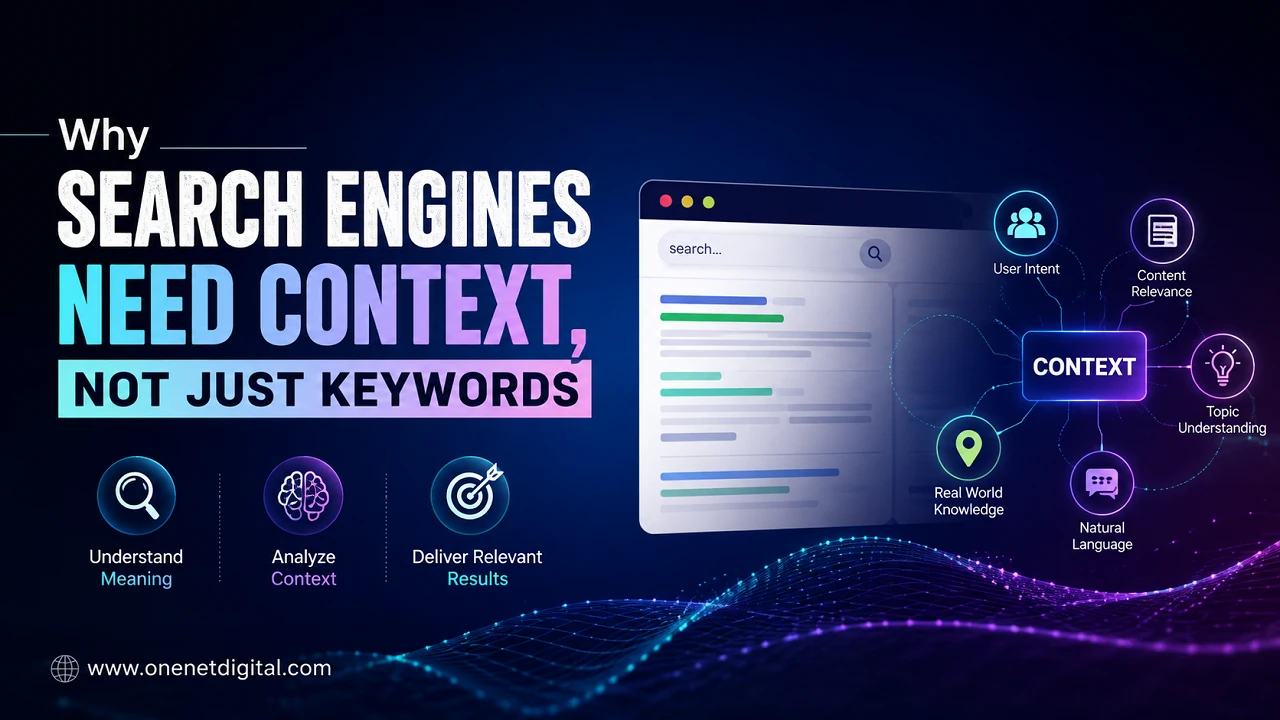
Search engines have evolved quite a bit over the years. Previously they concentrated on finding the exact words on a page to determine if the content matched a search query. They are a lot smarter now. Rather than simply counting how many times a word occurs, they seek to understand the purpose behind a search. This change has helped users get more useful and relevant results for their searches.
For website owners and content writers it means writing naturally and focusing on the whole topic rather than repeating the same keyword over and over again. Content that educates, answers common questions, and provides real value is more likely to rank well in search results.
How Search Engines Understand Meaning
Modern search engines use advanced technology to understand the relationship between words, phrases and topics. They don’t look for exact keyword matches anymore. Instead, they read the whole sentence to understand what the user is requesting.
For instance, if someone is searching for ways to speed up a website, search engines understand that topics such as page speed, image optimisation, caching, and overall website performance are all interconnected. A page that naturally covers these related ideas is often considered more useful than one that repeats the same phrase over and over.
User Intent Is More Important Than Word Matching
There is a reason for each search. Someone might want to learn something, comparison shop, find a local service or make a purchase. The goal that search engines are trying to figure out is called “search intent.”
Content that really matches what the user wants is more likely to rank well. Creators should not just be writing for keywords, but thinking about the questions users are asking and giving them complete answers that solve their problems.
Also Read: Search Queries vs Keywords: What’s the Real Difference?
Content is Better with Natural Language
People search and speak differently than years ago. Natural language is more important than ever with voice search, mobile devices and AI-powered search tools.
Writing in a simple and conversational style makes it easier for search engines to understand what the topic is about. And it makes for a better reading experience for visitors. Short sentences and clear explanations, along with a logical flow, make content easier to follow and increase the likelihood of users remaining on the page longer.
Related Topics Build Better Relevance
There is no word that can be the subject of a page. It should also include related concepts that help to fully explain the subject. Search engines look for these links to know whether the content is deep enough.
For example, an article on website optimisation will inevitably cover page experience, mobile responsiveness, website security, internal linking, and content quality. These related ideas help the search engines understand the overall theme without forcing repeated use of the keywords.
Content Quality is More Important Than Repetition
In the past, keyword stuffing was a popular SEO tactic, but it no longer works as well. Repeating the same phrase will make your content hard to read and will also decrease trust with readers and search engines.
High-quality content is made of useful information, clear explanations and real-world examples. Search engines like pages that answer questions honestly, provide complete information, and make a good experience for visitors.
Also Read: What is Search Visibility and How It’s Measured
Context Helps Search Accuracy
Search engines use a lot of signals to get an idea of context. They look at surrounding words, titles, page structure, images, links, and even how users engage with the content once they click on it.
When people spend time reading a page because it answers their questions well, this sends positive signals about the usefulness of the content. Search engines will be able to understand the context and provide more relevant results as opposed to the exact keyword matching.
Good Content Aids Long-Term SEO
SEO isn’t just about quick fixes anymore. Sites that regularly give out useful, reliable content usually rank more consistently over time. By writing good articles on complete topics, you are building up authority and helping the search engines to understand how much expertise your website has.
It is much better to build content that goes deep on subjects than to chase every variation of a keyword. This approach opens up more opportunities to appear for different search queries, while keeping the content useful for readers.
User Experience Improves the Performance of Content
It’s hard for visitors to read an article, even a well-written one. Search engines care about user experience because it affects satisfaction.
Good experience is found in easy navigation, clear formatting, readable paragraphs, fast-loading pages and a mobile-friendly design. When readers find the answers they are looking for and enjoy the content they tend to stay longer, visit more pages and come back again.
Also Read: A Complete Breakdown of Google’s E-E-A-T Framework
Making Content with People in Mind
The best SEO strategy is to write for real people, not for search engines. Readers want accurate information, straightforward answers and useful advice. That’s exactly the kind of content search engines want to reward.
Writers must understand the audience, arrange information in a logical manner, and explain topics in simple language. If the goal is to help the user, the use of keywords comes naturally and doesn’t feel forced. This balance results in content that performs well but is still enjoyable to read.
Summary
The days of search engines simply matching keywords are long gone. Now they assess the overall meaning, purpose and usefulness of content before deciding how to rank it. In today’s SEO landscape, websites that can explain things clearly, cover related topics, fulfil user intent and provide a positive reading experience are the ones more likely to succeed.
Content creators need to focus not just on individual words, but on answering questions fully and naturally. A good understanding of context helps both readers and search engines, resulting in better visibility, more trust and long-term organic growth.
FAQs (Frequently Asked Questions)
1. Why does context matter to search engines today?
Search engines want to give the most relevant answers to their users. Instead of taking the words literally they learn the context to discover what a search really means.
2. Is keyword stuffing still a good idea for SEO?
No. Overstuffing the same keyword can reduce the readability of the content and damage SEO. Natural writing that gives useful information works much better.
3. What does search intent mean?
Search intent is the reason behind a user’s search. It explains whether someone wants information, wants to compare options, or is ready to make a purchase.
4. How can content relevance be improved?
You can improve relevance by writing naturally, answering common questions, covering related topics, and providing complete information that helps readers.
5. Is user experience a factor in search rankings?
Yes. Pages that load fast, are mobile-friendly, easy to navigate, and have helpful content, provide a better user experience, which helps with stronger SEO performance.