
Search engines are becoming much better at working out what is considered useful content online. They no longer just look at keywords but if the page has accurate, trustworthy and valuable information. This change encourages website owners to produce content that actually helps readers, rather than just trying to achieve a better ranking in search results.
One concept that has gained traction is Google’s E-E-A-T framework. It helps search engines to assess the general quality of content considering the creator, information reliability, and user trust in the website. E-E-A-T is not a direct ranking factor, but it is a key part of how search engines assess content quality.
What is E-E-A-T?
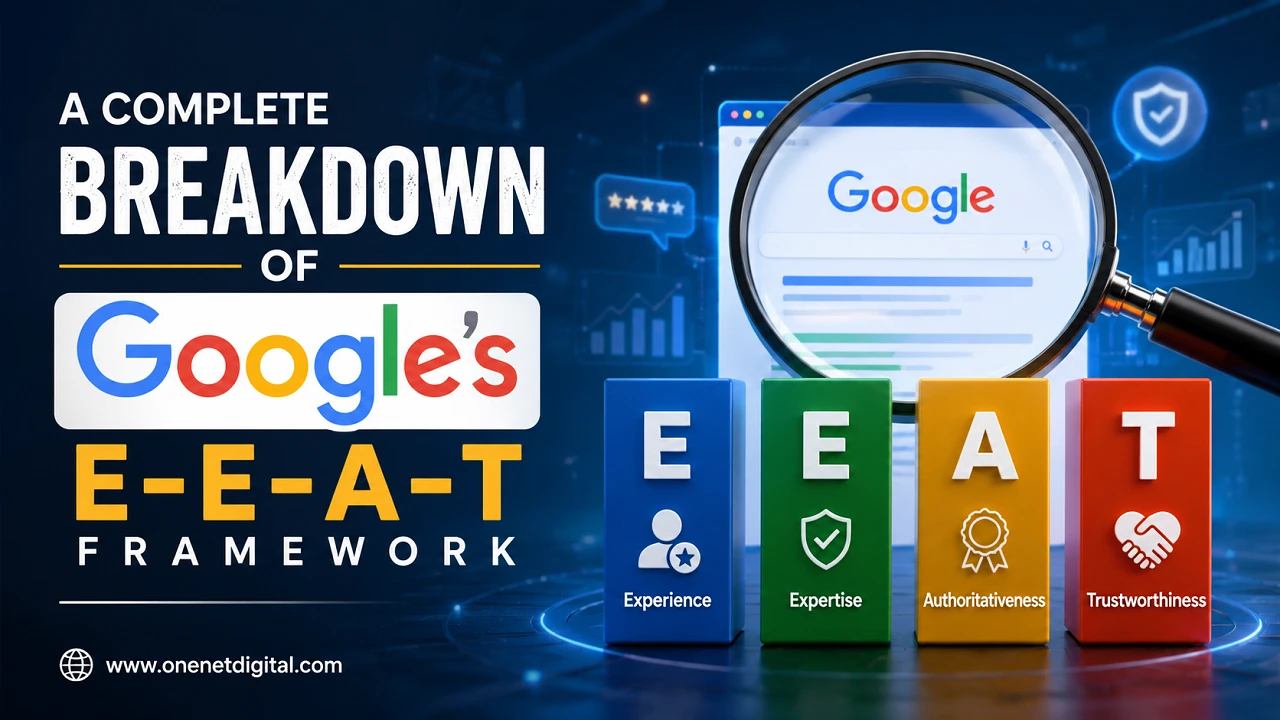
E-E-A-T stands for Experience, Expertise, Authoritativeness and Trustworthiness. These four factors combine to help determine if a webpage is trustworthy and useful.
Experience shows if the content creator has knowledge of the subject directly. Expertise is the skill or knowledge of the creator in a particular field. Authority refers to the reputation of the creator or website in its industry. Trustworthiness is thought to be the most important component, as users want to know that the information they are reading is accurate, honest and safe.
These guidelines encourage websites to create content that is helpful to readers, rather than content that attempts to game search rankings.
Experience Builds Reader Trust
The framework incorporated experience to acknowledge the value of first-hand knowledge. If you can find someone who actually has used a product, visited a place or gone through a process, they can often give you practical perspectives that you can’t get anywhere else.
For example, a travel guide created by someone who has been to the destination can offer useful recommendations, real experiences, and helpful tips that enhance the quality of the article. Similarly, product reviews are more helpful when the reviewer has actually used the product instead of just summarising information from other websites.
Content that incorporates actual experiences becomes more relatable to the reader and builds their confidence.
Also Read: Semantic SEO: Everything You Need to Know
Why Expertise Counts
Expertise is the extent to which the content reveals knowledge. Different subjects require different amounts of knowledge.
A hobby blog may only need practical experience, but medical, financial or legal topics need qualified professionals, as wrong information can have a negative impact on readers. Search engines are paying more attention to expertise on sensitive topics that might affect health, safety or financial decisions.
Expertise is shown by explaining correctly, using credible information, not making false claims and explaining difficult topics in a way readers can easily understand.
Making Things More Authoritative
Authority is not made overnight but earned over time. Websites build authority by producing quality content on a regular basis, gaining recognition within their industry, and being cited by other reputable sources.
Publishing original research, producing in-depth guides, participating in industry discussions and keeping your website accurate all help build authority for your business. A strong reputation and positive brand recognition also help a company to be a trusted source.
Consistency is important because the authority of the website grows as the reader keeps getting valuable information from the same website.
Why Trustworthiness Matters Most
Trust is generally seen as the foundation of the whole structure. Even seasoned or well-informed authors need to give users information they can trust.
Credibility is built on a lot of different things like transparent business information, secure websites, accurate content, clear contact details, privacy policies and honest claims. Users should be able to identify who created the content and why they should trust it.
Websites that misrepresent the truth, omit important facts, or publish misleading content could undermine their credibility with both readers and search engines.
Also Read: Keyword Difficulty or Search Volume: Which is More Important?
Content Quality Enhancement
Writing quality content is much more than writing long articles. Each page should clearly answer user questions, be well organised and provide true value.
Best language is often the simplest as it allows the widest audience to understand the information. Articles should be thorough and not repetitive. Improving overall quality also includes adding examples, answering related questions, and updating outdated information.
Content should always be written with the reader in mind rather than just trying to satisfy search engine algorithms.
Why Author Info Is Important
Readers frequently wish to know who has created the content they are reading. Adding author names, bios, qualifications and related experience helps to build trust.
For businesses, having clear policies, contact pages, company information, and customer service information all help build trust. These signals indicate that there is a real organization behind the content and that they are willing to take responsibility for the information they publish.
It is particularly important for sites discussing professional or technical topics to provide accurate information about the author.
Mistakes That Challenge Credibility
Many websites damage their credibility without even realising it. They have thin content, copy information from other sources or make claims without any evidence. Bad grammar, outdated information, broken links and too many ads can also lead to a bad user experience.
Another frequent error is concentrating solely on search rankings and neglecting reader satisfaction. Content that exists just to drive traffic, with no attempt to answer the user’s questions, tends to perform poorly over time.
We have regular content reviews to help us identify out-dated information and to improve accuracy and maintain a high standard of quality across the website.
Also Read: Everything You Need to Know About Keyword Difficulty
How Companies Can Use These Ideas
Know your audience first of all and provide content that actually solves a problem. Articles should be accurate, readable and updated regularly.
Experience can be shown through real examples, case studies, customer testimonials and original insights, and this can boost credibility. Businesses should have secure websites, provide full contact details and respond professionally to customer comments.
By publishing consistent and valuable content, you build long term trust with users and with search engines.
The Future of Good Content
Artificial Intelligence and Modern Search Technology are Making Search Engines Better at Rating Information. As these systems get better at understanding context, websites will have to focus more than ever on originality, transparency and user satisfaction.
The future success will not be so much a matter of technical shortcuts as of producing content which shows real knowledge, practical experience and trustworthy information. Companies that invest in quality content on a consistent basis are more likely to achieve lasting visibility in search results.
Conclusion
Google’s E-E-A-T framework encourages websites to produce content that is accurate, reliable and genuinely useful. Quality information that helps users is found by search engines with the help of experience, expertise, authority, and trustworthiness. A website owner should not only aim for rankings but also build credibility, maintain transparency and provide valuable content that answers real questions. These principles will improve the quality of your website and, in the long run, will help you build stronger relationships with your readers.
FAQs
1. What does E-E-A-T stand for?
E-E-A-T stands for Experience, Expertise, Authority, and Trustworthiness. These principles are useful for assessing the overall quality and reliability of online content.
2. Is E-E-A-T a direct ranking factor?
No. It’s not a direct ranking factor, but it affects how search engines evaluate content quality and user trust.
3. What is the most important part of the framework?
Most people think that trustworthiness is the most important factor because users need to be sure that the information they are getting is correct and dependable.
4. What can a website do to be more credible?
To establish credibility, a website should provide accurate information, include author information, make business information transparent, update content regularly, and provide a secure browsing experience.
5. Why is first-hand experience important?
Content creators can use their own experience to offer practical insights, real-world examples, and useful recommendations that make the content more authentic and helpful to readers.