
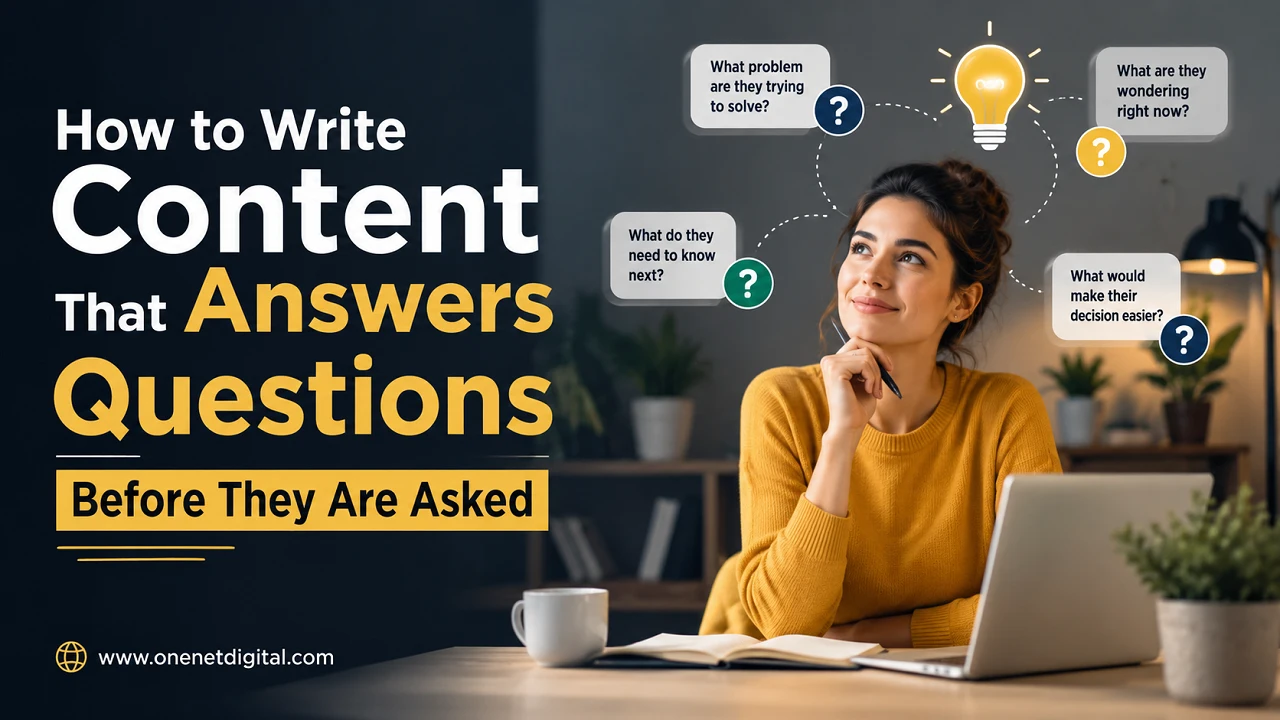
Creating content is no longer about keyword stuffing and publishing blog posts on a regular basis. Today’s readers want information that is clear, useful and complete, that solves their problems, and doesn’t make them go elsewhere. The content that answers questions before visitors even think of asking them creates a better user experience, and builds trust.
Search engines also reward content that fulfills the user intent; Pages that answer user queries thoroughly are likely to have lower bounce rates and longer time on page, all of which are good for SEO.
Let’s dive into how you can create content that anticipates user questions and delivers valuable answers in a natural way.
Understand What Your Audience Really Wants
The first step to creating valuable content is to understand why someone is looking for a particular topic. For most people, looking something up online isn’t simply about wanting information. They usually have a specific purpose, whether it is to solve a problem, compare products or services, learn a new skill or make an informed decision. With this search intent in mind, you can then create content that serves their needs directly.
If someone is searching for “website speed optimization,” they’re probably looking for a little more than a definition. They might also be interested in the reasons why website speed matters, what causes slow loading pages, how to improve performance, what tools are good for testing speed and what common mistakes to avoid. By covering these related questions in one article, it makes it easier for readers to find everything they need without having to leave your page.
Start with the Primary Question
Each piece of content needs to answer its main question as soon as it can. Readers want content that is not long-winded and doesn’t make them scroll through long introductions to get to the useful information. A clear answer in the first section helps to build trust and encourages visitors to continue reading.
Once you’ve answered the main question, you can naturally segue into related topics that add more value. This approach makes for a logical read and will keep readers interested throughout the article. Your content is a complete resource instead of making users search for additional information elsewhere.
Think Like a First-Time Visitor
The best way to predict your readers’ questions is to look at your content from a beginner’s point of view. Consider a person who knows nothing at all about the subject and what they would need to know to understand it. This simple exercise will help you to find gaps that experienced writers sometimes miss.
Consider what might be confusing for a new reader, what technical terms need definition, and what information will allow someone to confidently take the next step. By answering these questions naturally within your article, the content becomes more useful, approachable and beginner-friendly.
Also Read: Why Website Structure Matters More Than Most Businesses Think
Research Related Questions
Good research equals good content. Before you write, spend some time exploring what people are already asking online. Tools like Google’s “People Also Ask” feature, related searches, online communities, support questions, social media conversations and community sites can help you identify what your audience is looking for.
If you can, try to combine the most relevant answers into one long guide, instead of writing several short articles for each question. This results in stronger, more thorough content that is easier to read and more likely to meet user intent.
Organize Content in a Logical Order
Even well written information can become difficult to follow if it is not properly organized. A clear structure will allow the reader to flow through the article naturally, without being overwhelmed or confused. Your content should follow the natural order that people learn new information.
What is this thing? Why is it important? How does it work? What are the benefits? What mistakes should you avoid? What should the readers do next? It also makes the article easier to read if you stick to the logical sequence and readers do not have to look elsewhere for missing information. Clear headings and subheadings also aid navigation for users as well as search engines.
Answer Follow-Up Questions Naturally
An answer is often just the door to a new question. As you explain one thing, think about what readers might want to know next. Answering those follow-up questions in the same article will also make for a smoother reading experience and will make your content feel more complete.
You might get questions like “What is image optimization?”, “What image formats work best?”, or “Does image size affect SEO?” if you mention that image optimization can boost site speed. Where appropriate, answering these related questions reduces confusion and keeps readers engaged without them having to go searching for more information.
Use Simple and Clear Language
The purpose of content is to convey information as clearly as possible, not to impress the reader with fancy words. Using simple language makes articles easier to understand and allows a wider audience to benefit from your content. Readers are more likely to stay engaged when explanations are straightforward and easy to follow.
Make your paragraphs fairly short, use simple words when you can, and explain technical words in plain language. Simple examples also help readers to get connected with the topic faster. Easy to read content not only improves the user experience but also helps with SEO by increasing engagement.
Also Read: How to Make Your Website Easier to Explore
Include Practical Examples
Examples help readers translate theory into something they can understand easily. Instead of simply explaining a concept, demonstrate how it works in real life. Practical examples help people connect with information and respond to questions they didn’t even know they had.
For example, rather than saying internal links improve website navigation, you could say linking a blog post to related service pages, FAQs or helpful guides can keep visitors exploring your website. Your advice is more relevant with practical examples and the overall usefulness of the article increases.
Cover Common Mistakes
People like to see what not to do just as much as they like to see what to do. Including common mistakes in your content helps you to address concerns before they become real problems. It also shows a deeper understanding of the subject, by showing readers both the right and wrong ways to do something.
Take content writing for example. You can explain how writing content just for the sake of keywords, ignoring user intent, publishing without proofreading, and writing poorly-structured articles can lead to a drop in content quality. Highlighting these errors will help readers make better decisions, and add value to your guide.
Make Information Easy to Scan
Many visitors scan a webpage before they decide whether to read it in detail. That is why content needs to be structured so that readers can find what they are looking for easily. Clear headings, descriptive subheadings and well-organized paragraphs make for a better reading experience.
Keep each paragraph focused on one main idea and avoid creating large blocks of text. This improves readability on desktop as well as mobile devices. Search engines also love well-structured content, because it makes it easy for them to understand and index the page.
Add FAQs at the End
You’ve read an article carefully, and you might still have a few more questions. The end includes a Frequently Asked Questions section that provides quick answers without interrupting the flow of the main content. It also provides coverage of smaller topics that may not warrant their own dedicated section.
A good FAQ section can help improve the user experience by answering common questions and also increasing the chances of matching more search queries. This allows you to make your content more comprehensive without unnecessarily inflating the main article.
Also Read: Why Every Page Should Have a Single Purpose
Update Content Regularly
Content creation is not a one-time thing. Older articles may not be current as industries change, user expectations change, and new questions arise. Regularly reviewing your content helps ensure it continues to provide accurate and relevant information.
You can use feedback from your customers, data from Google Search Console, changes in your industry, comments from users, or FAQs from customers to find areas where you might want to update your content. Having fresh content is great for your readers, and it’s also a good long-term SEO tactic.
Focus on Solving Problems, Not Just Ranking
SEO is an important ingredient in content creation but the main goal is to help readers find their problems. Don’t think about keyword placement, think about whether your article answers all the important questions someone might have about the topic.
Visitors who leave your page feeling informed and satisfied are more likely to stay longer, check out other content, and return in the future. One of the most powerful long-term SEO strategies is actually useful content, as search engines are increasingly rewarding content that adds value and satisfies search intent.
Conclusion
The idea behind writing content to answer questions before they are asked is knowing your audience and giving them complete, well-organized information. You’re anticipating reader concerns, using simple language, talking about related topics, giving practical examples, so you’re creating content that’s actually helpful and not just optimized for search engines.
The goal is not to include every possible detail, but to make sure that the reader leaves your page with the answers they came to find. Users get a better experience and you enjoy long-term SEO success when your content consistently solves problems and minimizes the need for additional searches.
FAQs
1. What does it mean to answer questions before they are asked in content?
It means creating content that anticipates what readers are likely to ask next and addressing those questions naturally within the article. This helps users find complete information without needing to search elsewhere.
2. Why is understanding search intent important?
Search intent helps you understand the real reason behind a user’s search. When your content matches that intent, it becomes more relevant, improves user experience, and has a better chance of performing well in search results.
3. How can I identify the questions my audience is asking?
You can research common questions using Google’s “People Also Ask” section, related searches, online forums, customer feedback, social media discussions, and keyword research tools.
4. Should I answer the main question at the beginning of my article?
Yes. Providing a clear answer early in the article helps readers quickly find the information they need and encourages them to continue reading for more details.
5. Why should I think like a first-time visitor when writing content?
Viewing your content from a beginner’s perspective helps you identify confusing areas, explain important terms, and provide the information new readers need to fully understand the topic.