
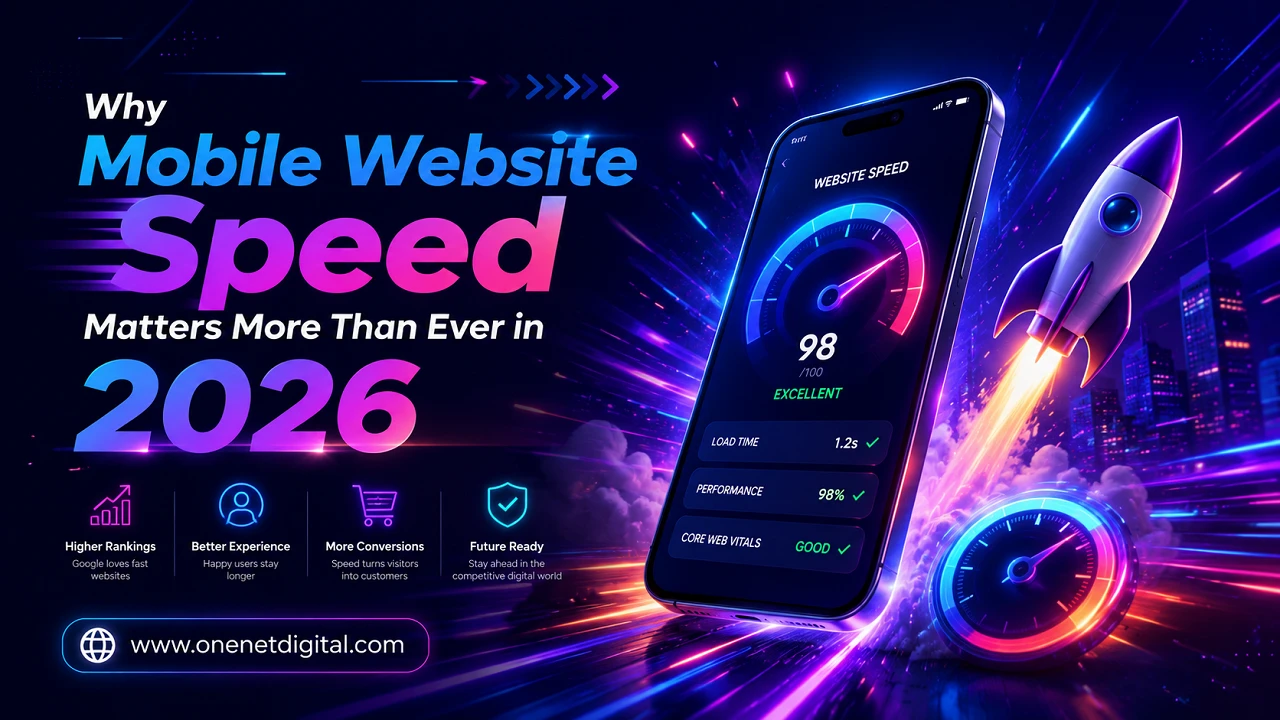
In 2026, mobile internet use is still king of the digital world. Most users today access websites, shop, read articles, watch videos and look for services directly from their smartphones. This means that website speed on mobile devices has become one of the most important factors in online success. A slow-loading website is no longer just a minor annoyance; it can directly impact user experience, search engine rankings, conversions, and the overall growth of a business.
We expect websites to load almost instantly today. The attention span is shorter, the competition on the Internet is tougher, and the user has countless alternatives available with just one tap. Mobile site visitors often leave the site before they even see the content if it takes too long to load. This is why mobile site performance is a key focus for businesses, bloggers, e-commerce stores and service providers in 2026.
Mobile Users Expect Instant Loading
Smartphone users are constantly switching between apps, websites and social media platforms. They’re designed for fast digital experiences, partly because big platforms such as search engines and social apps are so heavily optimised for speed. Visitors to a slow website are frustrated from the first moment they arrive.
Even a small delay of a few seconds can cause bounce rates to increase dramatically. Most users are not that patient anymore. Instead, they close the tab and move to another website that loads faster. This has turned mobile speed optimisation into a crucial part of website development and SEO strategy.
A fast-loading website gives a better browsing experience. Visitors are able to get to information quickly, navigate pages easily and interact with content with no delays. This helps to drive engagement and keeps users longer on the website.
Mobile Speed Directly Affects SEO Rankings
Search engines have been prioritising mobile-first indexing for a long time, but in 2026, mobile performance is going to be even more critical to ranking visibility. Slow-loading websites on mobile devices generally struggle to maintain strong positions in search engine results.
Search engines want to give their users the best experience. A fast-loading, smooth responding and properly working smartphone website is more likely to rank better than a slow and poorly optimised site.
User experience signals and Core Web Vitals remain important for SEO performance. Metrics like loading speed, visual stability, and interaction responsiveness are now must-haves in technical SEO. Mobile speed optimisation for websites may result in a reduction of organic traffic over time.
Search engines can also crawl pages more efficiently when websites are faster. Optimising page speed helps search bots crawl and index website content more efficiently, improving the overall SEO performance.
Also Read: Why Technical SEO is Ignored by Most Small Businesses (And They Lose Traffic)
Better Speed Improves Conversion Rates
Speed is not just about rankings and traffic. It’s also important for conversions and sales. Loading speed has a direct impact on a business that wants users to make purchases, fill out contact forms, subscribe to newsletters or book services.
Websites that feel fast and responsive are more likely to be trusted and interacted with by users. Smooth experience builds confidence. Slow performance often builds doubt. If an online store takes a long time to load product pages or checkout sections, many users give up on the process altogether.
Speed can be a tremendous advantage in highly competitive industries. Two businesses may offer similar products or services, but a faster website often provides a better user experience. This tiny technical difference can lead to better customer retention and higher conversion rates.
Mobile Shopping Continues to Grow
The last few years have witnessed a rapid growth in mobile eCommerce. In 2026, a large part of online shopping will be made directly through smartphones. Consumers browse products, compare prices, scroll through reviews and make purchases without using desktop devices.
With the growth of mobile shopping behaviour, the performance of the online store website becomes very important. Slow product pages, delayed image loading, or unresponsive checkout processes can directly affect sales.
Mobile shoppers want convenience. They want pages that load fast, payment systems that work smoothly, and easy navigation. If it gets frustrating, they will typically abandon the site before making their purchase. Over time, companies that focus on mobile speed optimisation have seen increases in customer satisfaction and sales performance.
Also Read: Why Did My Google Rankings Drop? (And How to Fix)
Faster Websites Create Stronger User Experience
Digital marketing and website design have now become one of the biggest priorities in user experience. Speed is a big part of that experience. Fast websites feel professional, modern and trustworthy.
When users visit a mobile website, they want smooth scrolling, fast-loading images, fast navigation, responsive buttons, etc. Any delays in these areas can have a negative impact on the perception of the brand or business by users.
Good user experience also increases the chances of repeat visitors. When people like to peruse a website on mobile devices, they are more likely to come back again in the future.
On the other hand, bad mobile performance can hurt brand reputation. Users might think the site is out of date or poorly maintained, even if the actual products or services are of high quality.
Mobile Networks Still Vary in Speed
While Internet technology is improving worldwide, many users still browse websites on shaky or slower mobile networks. This is especially important in places where high-speed internet is not always available.
Heavy sites with large files, unoptimized images, too many scripts or unnecessary animations can perform poorly on slow connections. Lightweight and optimised websites still perform better on a wider array of devices and internet conditions in 2026.
Companies that adapt their websites to different mobile network conditions can better target a broader audience. Faster websites also use less data, which is important for many mobile users.
Also Read: How to Fix a Slow Website Without Changing Your Design
Key Ways to Improve Mobile Website Speed
You don’t always need a full redesign to speed up a mobile website. Small technical improvements can make a big difference in overall performance.
Some of the common methods of optimisation are:
- Image resize and image optimisation.
- Modern techniques for website caching
- Minimising unnecessary plugins and scripts
- Selecting reliable hosting services
- Responsive mobile-friendly designs
- Minifying code files like CSS and JavaScript
- Using content delivery networks (CDNs)
- Lazy loading for images and videos
Regular performance tests are also important. Website owners should pay attention to loading times and find areas that need improvement.
Conclusion
The speed of mobile websites matters more than ever in 2026 as user expectations, SEO standards, and online competition continue to grow rapidly. A fast mobile site enhances the user experience, boosts search visibility, drives more conversions, and helps businesses remain competitive in the digital landscape.
As more users browse and shop online using their smartphones, businesses can no longer afford to ignore mobile performance. Speed optimisation is now much more than a technical improvement; it is a fundamental part of digital success.
Websites that deliver fast, smooth and reliable mobile experiences are more likely to keep visitors, increase engagement and drive long-term online growth.
FAQs
1. Why is mobile website speed important in 2026?
Mobile website speed is important because most users now browse the internet through smartphones. A fast-loading website improves user experience, reduces bounce rates, supports better SEO rankings, and increases conversions.
2. Does website speed affect SEO rankings?
Yes, website speed directly affects SEO rankings. Search engines prioritise websites that provide a smooth and fast mobile experience. Slow websites may rank lower in search results compared to optimised websites.
3. How does slow mobile speed impact user experience?
Slow mobile websites frustrate users and often cause them to leave before viewing the content. Delays in loading pages, images, or buttons can reduce engagement and negatively affect trust in the website.
4. What is considered a good mobile website loading time?
In general, a mobile website should load within 2 to 3 seconds. Faster loading times usually provide better user experience and lower bounce rates.
5. Can mobile speed affect online sales?
Yes, mobile speed has a major impact on online sales. Slow-loading product pages or checkout processes can lead to cart abandonment and reduced conversions for e-commerce websites.